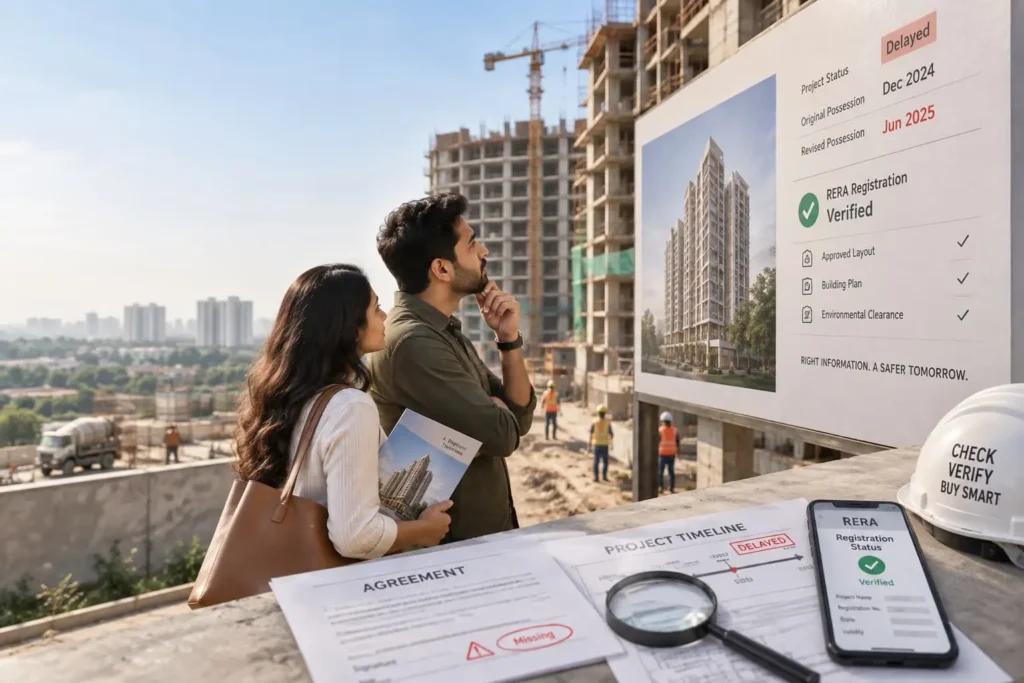
Buying a home is one of the biggest financial decisions you can make. Before choosing a property, it is important to understand the project, developer, approvals, pricing, possession timeline, and most importantly, your rights as a homebuyer.
This is where RERA plays an important role.
RERA, or the Real Estate (Regulation and Development) Act, 2016, was introduced to bring greater transparency and accountability to India’s real estate sector. It gives homebuyers a regulatory framework and helps them make more informed property-buying decisions.
In this guide, let’s understand what RERA is, why it matters, and what every homebuyer should know before purchasing a property.
What Is RERA?
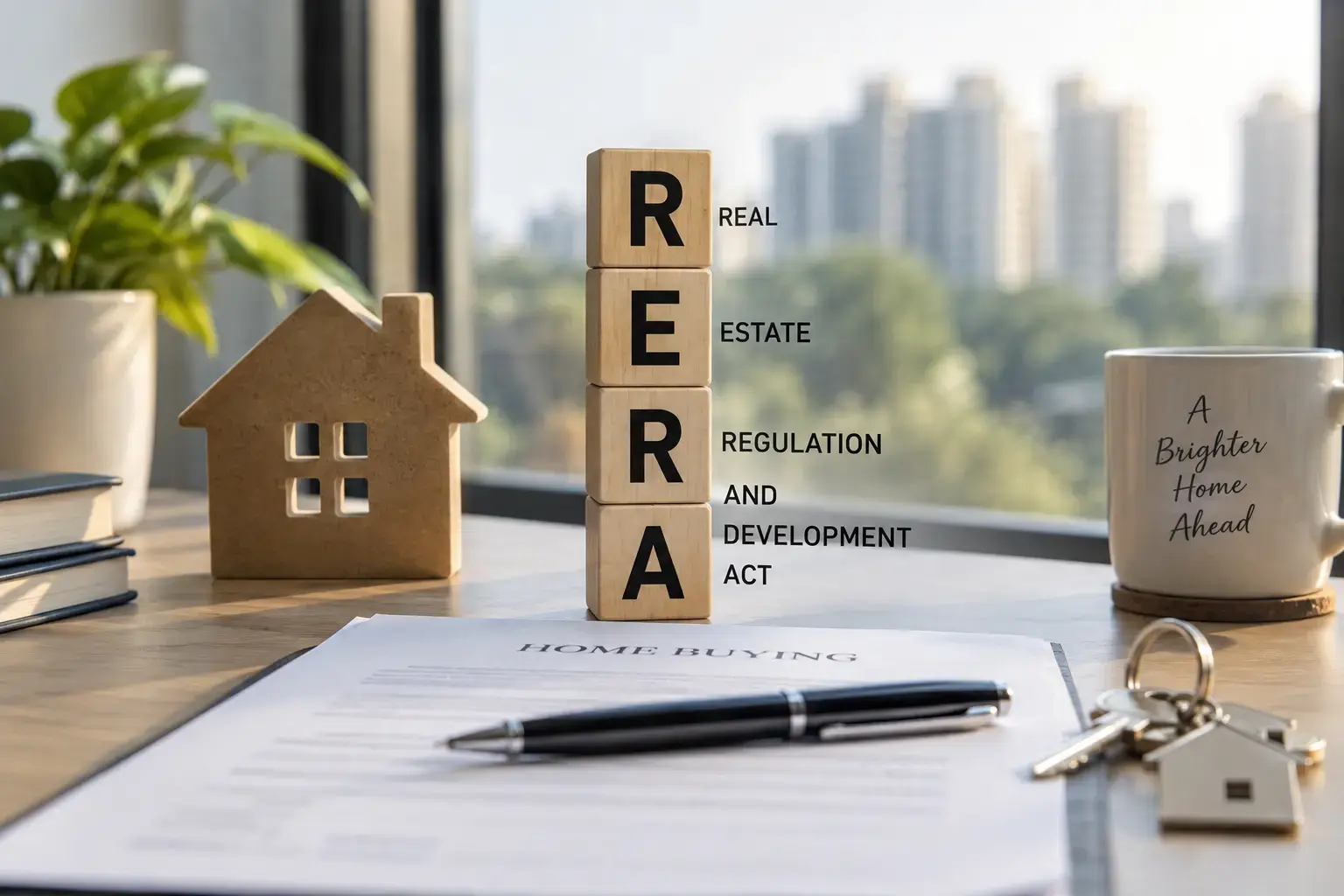
RERA stands for the Real Estate (Regulation and Development) Act, 2016.
The Act was introduced to regulate the real estate sector and protect the interests of homebuyers. Under RERA, eligible real estate projects and agents are required to follow specific rules relating to registration, disclosures, advertising, sales, and project execution.
Each state and Union Territory has its own RERA authority, which manages project registrations and handles eligible complaints and disputes.
For homebuyers, RERA provides greater access to important project information and establishes certain responsibilities for developers and real estate agents.
Why Was RERA Introduced?
Before RERA, homebuyers could face several challenges when purchasing a property, including delayed possession, changes to project plans, lack of information, and uncertainty about project progress.
RERA was introduced to make the real estate industry more transparent and accountable.
Some of its key objectives are:
- Protecting the interests of homebuyers
- Improving transparency in real estate transactions
- Promoting accountability among developers
- Reducing certain project-related disputes
- Providing a regulatory mechanism for eligible complaints
For someone planning to buy a home, understanding these protections can make the property-buying process more comfortable and informed.
How Does RERA Protect Homebuyers?
RERA provides several important protections for homebuyers.
1. Project Registration
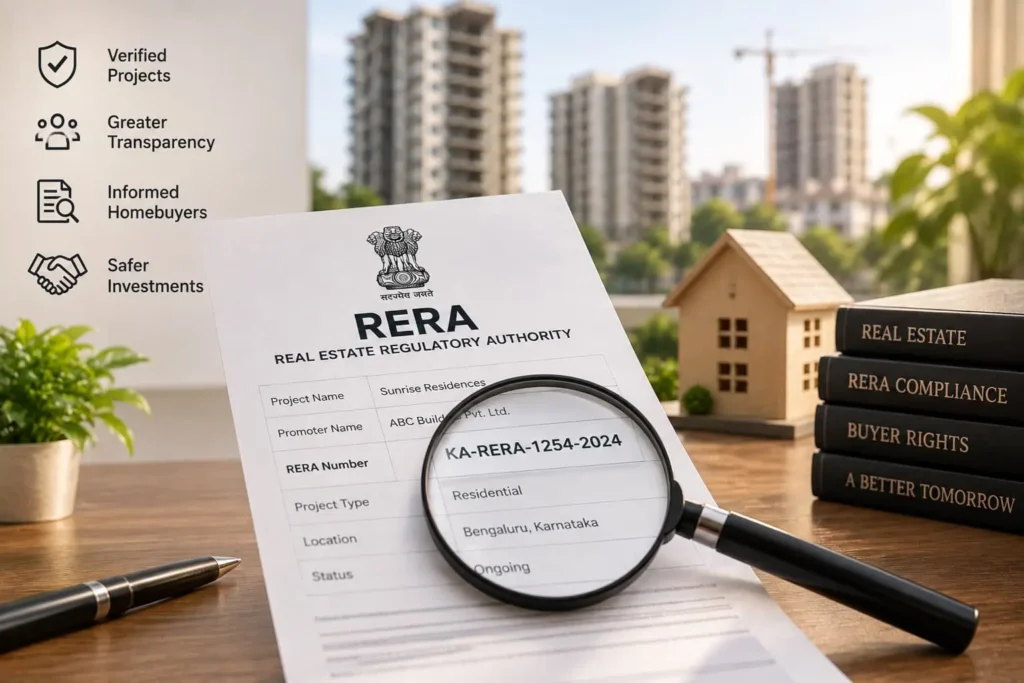
Developers of real estate projects covered by RERA generally need to register their projects with the relevant state or Union Territory RERA authority, subject to applicable exemptions.
Homebuyers can use the official RERA portal to check project information before making a purchase decision.
2. Greater Transparency
Registered project information can include details about the developer, project plans, approvals, construction status, and expected completion timeline.
This allows buyers to compare the information provided by the developer with the information available through the RERA portal.
3. Carpet Area Clarity
RERA provides a defined meaning of carpet area, helping buyers understand the actual usable area of an apartment.
Instead of looking only at the total or super built-up area, buyers should ask for the property’s RERA carpet area when comparing different homes.
RERA places restrictions on certain changes to sanctioned plans, layouts, and specifications after disclosure, with consent requirements applying in specified situations.
4. Protection Against Certain Changes
This provides additional protection to buyers against significant changes to the project.
5. Protection Regarding Delayed Possession
Project delays can be a major concern for homebuyers.
RERA establishes obligations relating to possession timelines and provides certain remedies where a promoter fails to meet applicable commitments. Depending on the circumstances, an allottee may have rights relating to refund, interest, or other remedies under the Act.
6. Defect Liability
RERA also provides protection relating to certain structural defects and defects in workmanship, quality, provision, or service obligations.
Under the applicable RERA provisions, certain defects reported within five years from possession are required to be addressed by the promoter without further charge, subject to the conditions of the law.
What Should You Check Before Buying a RERA Property?
Even if a project is RERA registered, you should still do your own research before investing.
Here are a few important things to check:
RERA Registration:
Verify the project’s RERA registration number on the official state or Union Territory RERA portal.
Developer Details:
Check the promoter’s details and available information about the project.
Possession Timeline:
Review the registered completion date and compare it with the possession timeline communicated to you.
Carpet Area:
Confirm the RERA carpet area of the property.
Project Approvals:
Review relevant approvals, plans, and project information.
Agreement for Sale:
Read the agreement carefully before signing and understand the payment schedule, possession terms, cancellation conditions, and other important clauses.
Additional Costs:
Ask about registration charges, stamp duty, maintenance, parking, utilities, and other applicable costs so that you understand the total cost of purchasing the property.
How Can You Check RERA Registration?
Checking RERA registration is a simple but important step before buying a property.
First, visit the official RERA website for the state or Union Territory where the property is located.
Search for the project using its project name, promoter name, or RERA registration number.
Once you find the project, review the available information and compare it with what the developer or sales representative has told you.
This small step can help you make a more informed decision before committing your money.
Frequently Asked Questions About RERA
What does RERA stand for?
RERA stands for the Real Estate (Regulation and Development) Act, 2016. It was introduced to regulate the real estate sector and protect the interests of homebuyers.
Why is RERA important for homebuyers?
RERA promotes greater transparency and accountability in applicable real estate projects and provides a regulatory framework through which eligible homebuyers can seek remedies for certain disputes.
How do I check if a property is RERA registered?
You can check the official RERA portal of the relevant state or Union Territory using the project’s name, promoter name, or RERA registration number.
What is RERA carpet area?
RERA carpet area refers to the net usable floor area of an apartment as defined under the RERA Act, subject to the specific inclusions and exclusions provided by the law.
Can I complain if there is a problem with my RERA-registered property?
If your issue falls under RERA, you may be able to file a complaint with the relevant RERA authority. The applicable process and remedy depend on the circumstances and the rules of the relevant state or Union Territory.
Final Thoughts
Buying a home should be an exciting experience, but it is also a decision that requires careful research.
Understanding RERA and your rights as a homebuyer can help you ask the right questions and make a more informed choice. Before booking a property, check its RERA registration, understand the carpet area, review the project timeline, read the agreement carefully, and verify important project information.
A little research today can help you make a more confident decision about your future home.
At Infantry Homes, we believe that an informed homebuyer is a confident homebuyer.